
Google Plus

The naturalness in the evolution of desktop environments

Written by Bill Toulas on . Posted in Gnome, Software

I’ve been browsing distrowatch.com lately noticing something that is happening for some time now, but maybe surprised me for the first time because it is still happening. What I am talking about is that there are more Linux distributions releasing new versions using Gnome 2.32 than Gnome 3.4!
Some time ago (when Gnome 3.0 got released), this was a very natural thing to be happening, as Gnome 3 was newborn and immature, and many people found it too different from what they were used to. But now Gnome 3 is already on version 3.4 and is moving forward on 3.6 soon, so the time has passed and people had the chance to give Gnome 3 a try, and then try 3.2 again and then try 3.4 etc.

I am not saying that the people who are using Gnome 2.32 are more than those using Gnome 3.4 as there is no real way of knowing that, but I certainly see more projects offering Gnome 2.32 because the feedback they get from their users is pointing to this direction. And many of these projects promise to support these versions for years to come!

In addition to that, we had the release of MATE 1.4 a few days ago that sealed the matter of existence for this project, and shut the mouths of those who were conjecturing that MATE won’t last long using KDE 3 forks as examples! MATE is growing stronger and stronger getting more developers (it started as an one man project), more users and more media interest. In contrast, the projects that tried to maintain KDE 3 died very fast. Why is this happening? I believe it is due to the unnatural way that Gnome evolved.

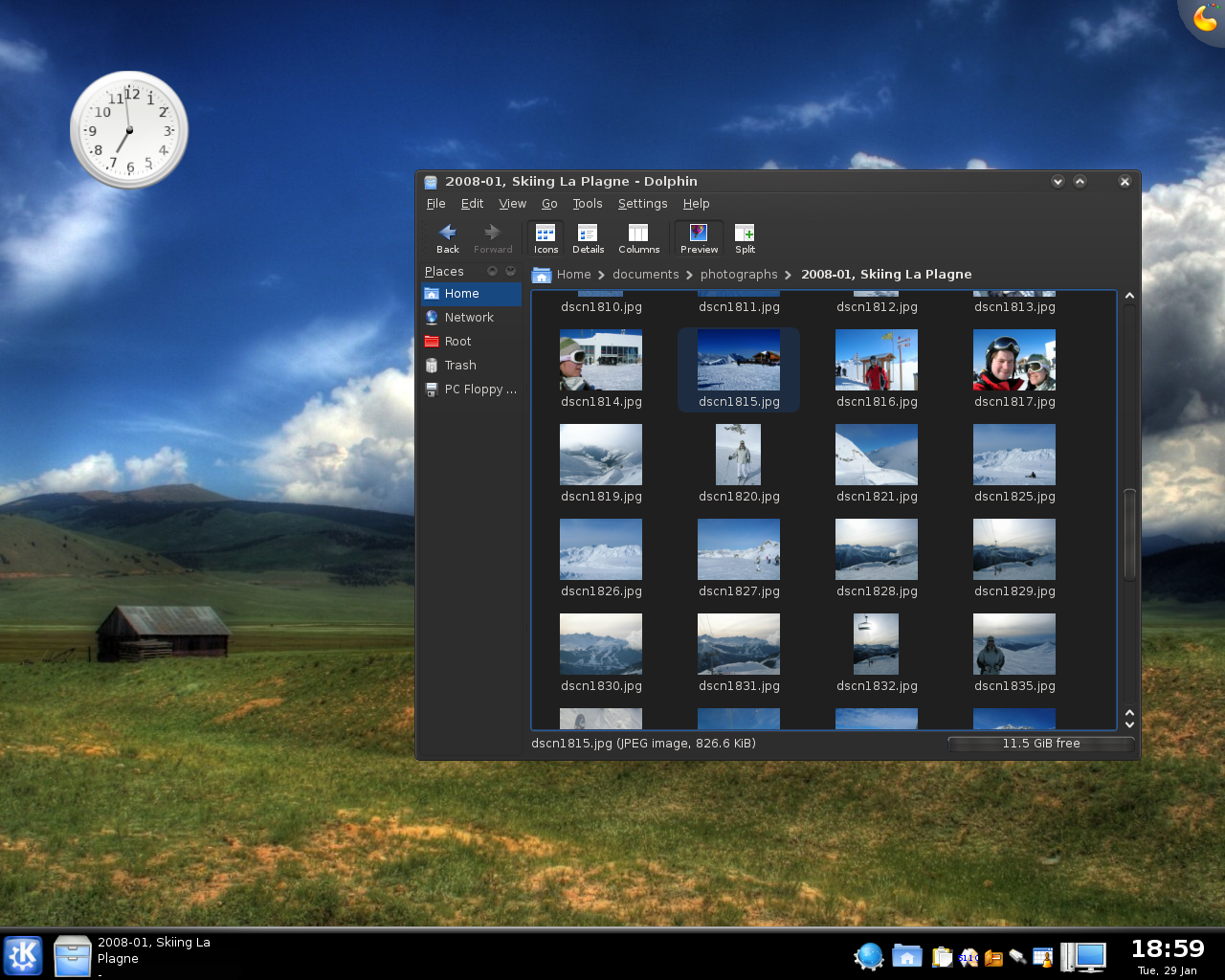
Take a look at this:
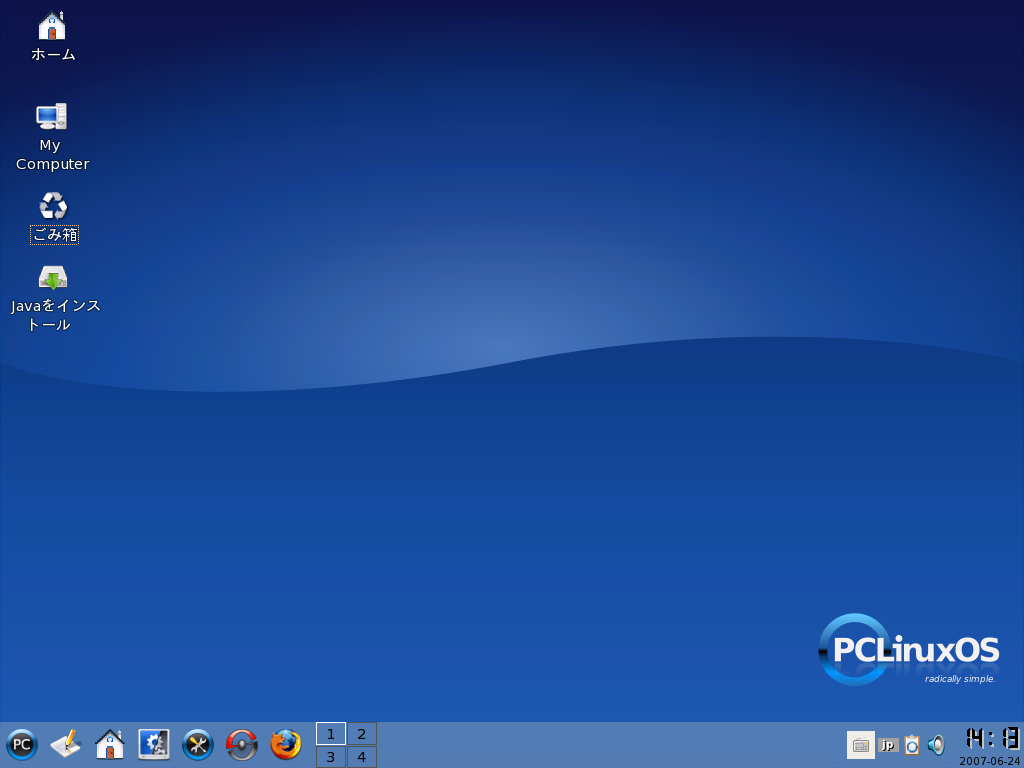
This is KDE 3 on the left, and KDE 4 on the right. Comparing the two screens leads to the realization of how naturally KDE evolved from version 3 to version 4 in terms of optical, functional and usability elements. It is really a new, shiny, more modern KDE that the only reason for KDE 3 users not to use it was some stability issues and some special functionality that wasn’t still there.

In my opinion, KDE 4 matured in a slower pace than Gnome 3 does now, but still the keep-KDE 3 alive projects died much quicker and almost every distribution that used KDE offered version 4 sooner or later.

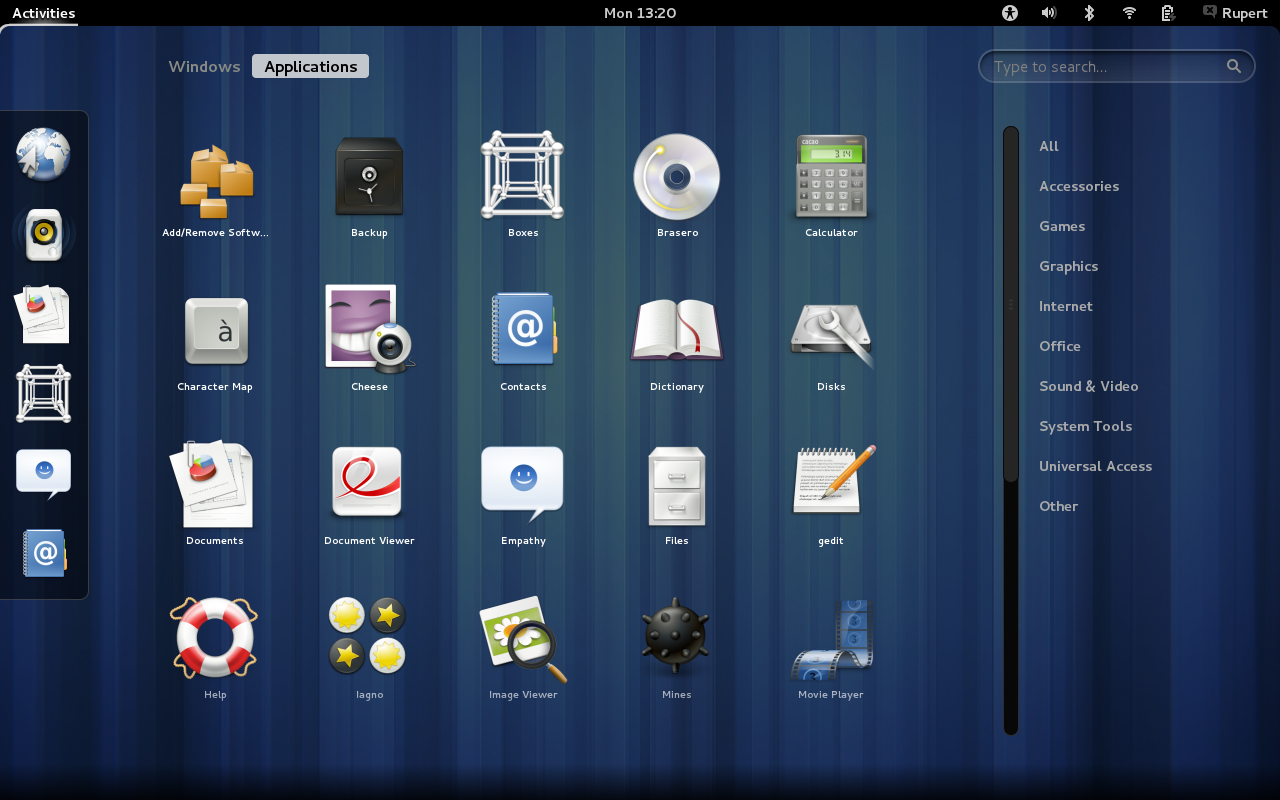
Now take a look at Gnome:
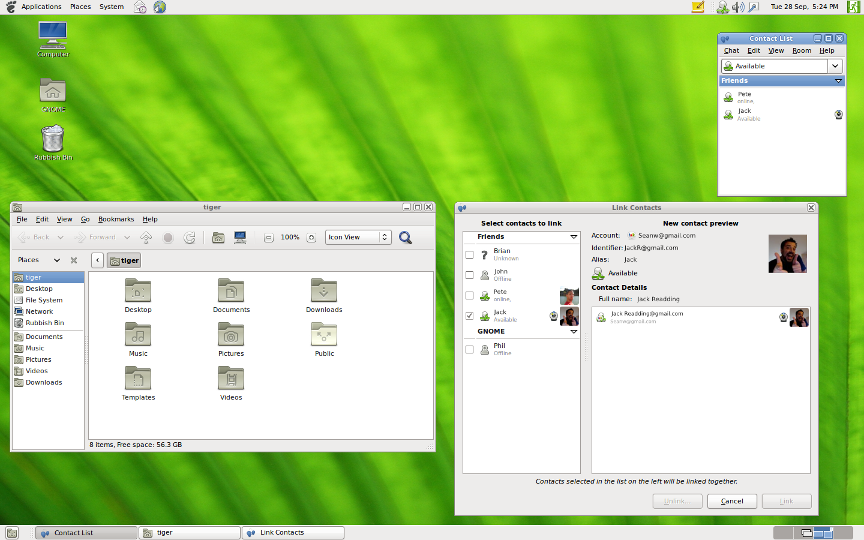
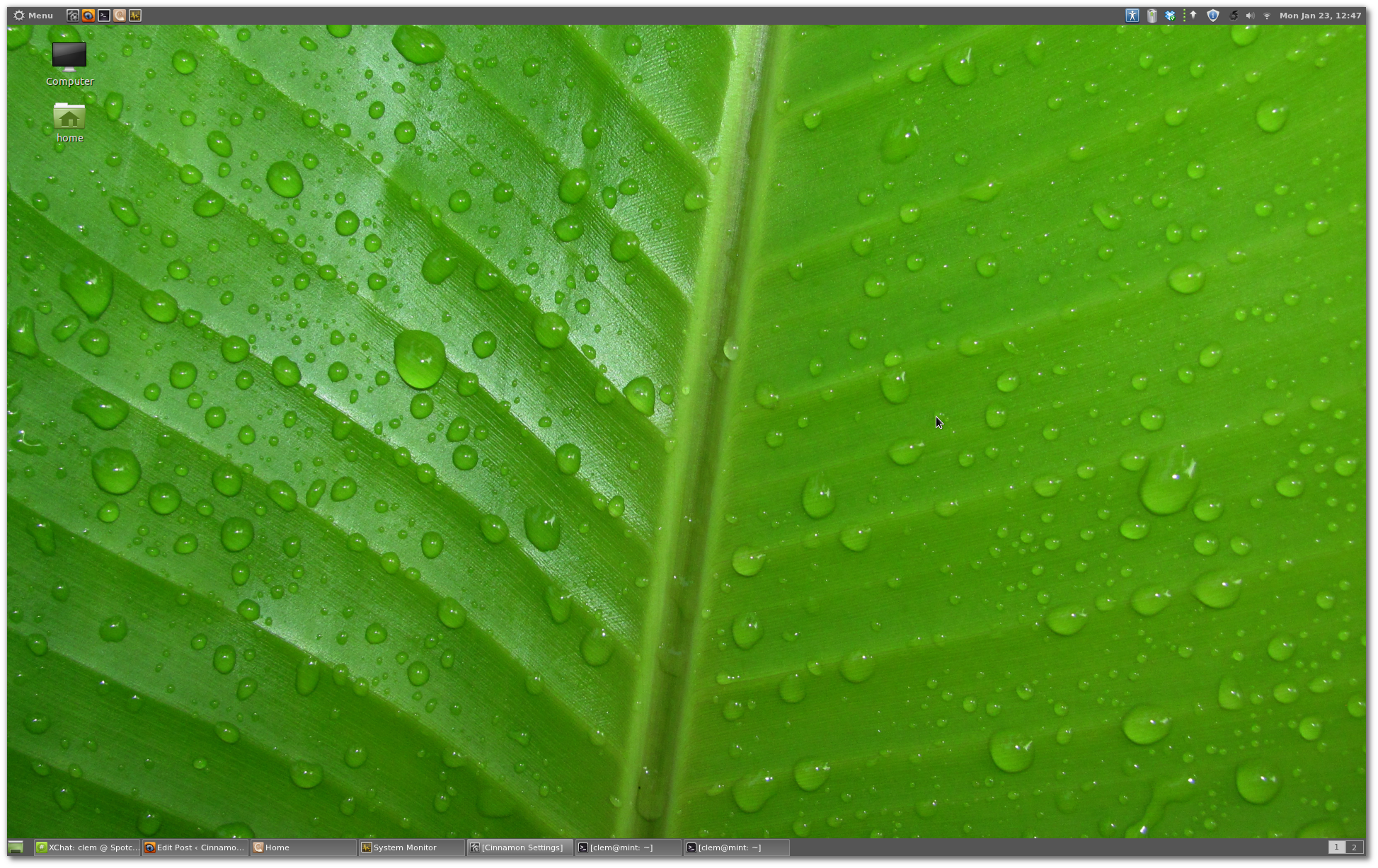
And Cinnamon:
If I was living under a rock and you show me these three pictures today telling me that the first one is Gnome 2, and one of the other two is Gnome 3 I would definitely choose Cinnamon. Why? Because that is what my brain says is the natural evolution of Gnome 2. So, is Cinnamon what Gnome 3 should be like?

I am a Gnome Shell user, fan and I genuinely believe Gnome 3 with Gnome Shell to be the best desktop environment ever created. I use it to do simple daily AND “real” work and I find Gnome Shell’s way the easiest and most ergonomic way for doing both. I really understand why Gnome developers decided to replace this with that, throw away the other and introduce something else and I almost don’t even use extensions. The work of Gnome developers is amazing and I applaud it with all my power, BUT I disagree with the way Gnome Shell was introduced to the world.

Every time I read bad or complaining comments about Gnome Shell by a Gnome 2 user I say to myself “His mind didn’t understand how to use Gnome Shell and how this DE is far better and more effective than anything else he ever used in the past”, but how can I blame him? Is this the natural evolution of Gnome? No, it simply isn’t. Would a more Cinnamon-like approach be more appropriate? Yes it would be!

Why am I saying that although I consider Gnome Shell to be the best? It is very simple really…as it is all about the users in the end. The more users you have, the more feedback and contributions you get. The bigger your community the bigger the user support. Gnome developers should stay focused on the current Gnome Shell approach, but they should first offer a Cinnamon like default environment. They should keep all their users and then take them by the hand and slowly introduce how things can get easier and simpler. The currently officially-unsupported extensions that offer usability elements from the past (like menus) should be officially-supported experience-extensions that would remove these elements. This would result having more users, allowing a more natural flow of development, user feedback and finally Gnome evolution.

Some might say that this would probably be a strategic risk as you can’t go forward by considering only what your current users want, and Gnome after all wanted more users and a wider market also covering touch screen devices.

Right now you have A LOT of users staying with Gnome 2.32, using MATE and using Cinnamon (two projects that are growing stronger and larger everyday). Should all these users be using Gnome Shell? Yes they should and that is what they initially wanted! What went wrong then? Not following the natural flow of things for at least a relatively short period of time. This Gnome developers decision was a great thing for me and all the happy current Gnome Shell users, but was it good for the project itself? I don’t think so…
For questions please refer to our Q/A forum at : http://ask.unixmen.com

Bill Toulas

Contact: billytoulas (at) gmail (dot) com
  • http://twitter.com/Getslacked Barnabyh

    Nice opinion piece and a good analysis at the end. Thanks.

  • Rpaske000

    The simple truth.   If it takes 1 or 2 clicks to accomplish something I want to do and it takes 2 or 4 clicks or I have to memorize the name of an app in order to search to accomplish the same thing, which one is more useful??  Dah, no brainer.

  • http://gonzalo-vc.myopenid.com/ Gonzalo_VC

    What about XFCE, for itself and as an alternative to Gnome 3.x?

    • Bill_Toulas

      Yes, many people choose XFCE as an alternative to Gnome 3. We will soon have an interview with one of the main developers of XFCE here on Unixmen were many interesting things regarding this DE will be analyzed so stay tuned :)

  • Kenneth Starks

    I’ve discovered an effort that brings the full Gnome 2 desktop back, but using Gnome 3 technology, without the need for hardware acceleration.  The developer of SolusOS believes much like you do that the Gnome 2 desktop is a much more reasonable work environment and should have his beta release of SolusOS 2 out shortly.  He’s done some pretty good patching and hacking on nautilus too in order to bring more functionality to that app.  I won’t link bait your blog, but if you want to read more about it, just google blog of helios….as of now, it’s the top story.  It goes into some good detail about what he is doing in nautilus.

  • Todd

    “Every time I read bad or complaining comments about Gnome Shell by a
    Gnome 2 user I say to myself “His mind didn’t understand how to use
    Gnome Shell and how this DE is far better and more effective than
    anything else he ever used in the past””

    Are you sure you’re not a GNOME developer? Because that’s the exact same kind of condescending crap they’ve been saying lately.

    No, just because I find GNOME Shell clumsy and inefficient doesn’t mean my poor widdle brain just can’t comprehend its awesomeness. If you like it, fine, but please don’t act like people who prefer the classic paradigm are simply unenlightened cretins who stubbornly refuse to adapt to the (obviously superior) brave new world of mouse waggling and giant touchscreen buttons. That’s kind of an astounding level of arrogance.

Like us on Facebook

This week Top Posts

Write for us

Recent Comments

DB Griffin

|

Larry Page is not being completely honest! The manner in which the PRISM program/project works does not need access from company administrators or owners, so called “direct access”; the access to the information is already there. These tech company CEOs take for granted the actual intelligence of most end users of their products. All it takes is a little digging and reading to go from ignorant to informed on these things especially on exactly how the internet works/functions in the U.S.A. I find Larry Page’s remarks just as laughable as Al Gore’s claim to “inventing” the internet/world wide web!

If you, as an end user, are reading this post; I challenge you to research these matters yourself. It really is quite simple with all the “information sites” that exist on the web today ie Wikipedia, & other online encyclopedias that actually list source material, as well as highly respected tech sites and blogs that also list their source material. Be warned: this is only the tip of the iceberg and these tech CEOs know and understand this; they are scrambling in attempt to perform DAMAGE CONTROL to save the company and what little trust thay have left from their products end users/consumers.

Am I a skeptic? I believe someone has to be or needs to be at this point in time! If your not just a little skeptical of the government, tech companies, and the people that are in charge of these agencies and companies; you need to be, even if just a little skeptic. For your own personal protection and security! I know I was a part of this community for over 14 years!

Anders Jackson

|

As I understand it so do VLC use same encoders as ffmpeg. And yes, there are less code that can break when you use command line instead of a graphical UI.

And may I ask what mono has to do with VLC? *facepalm*

Anders Jackson

|

Just some thoughts about Java.

OpenJDK7 are now THE Java implementation and Oracles are just one more of the reimplementations. So you should not need to install Oracles version.

And you really don’t need to remove the OpenJDK7 installation to also have Sun Java JDK 7. Just run

sudo update-java-alternatives –list

and select which java you want to have as default java of all that is installed.

And if you want to run a program with one special version, check manpage for java-wrappers how to do that.

man java-wrappers

so you can run java program rasterizer like this:

JAVA_FLAVOR=openjdk rasterizer
JAVA_ARGS=-Xmx80m rasterizer

JAVA_BINDIR=/usr/share/

etc

Anders Jackson

|

Yes, it is. If you are a “5 years old schizophrenic kid” who can’t restrict what effects to use and what to not use. It’s actually usefull, if you can restrain yourself.

Anders Jackson

|

Agree with BA. You should teach how to remove telnetd from your servers, and tell them to use SSH instead.

And explain that telnet is not secured. It’s easy for anyone to see what you type in clear text or MIM-attacks.

Or you might want to add a kerberos version of telnetd and se to it that it denies any try without kerberos authorization.

The tool telnet is usefull, for example to explain how SMTP protocoll or HTTP-protocoll works by making the user be the client (mail client or web client).
But you do not need to install telnetd for that.

 
IDG Tech Network
Copyright © 2008-2013 Unixmen.com .
Maintained by Anblik .