

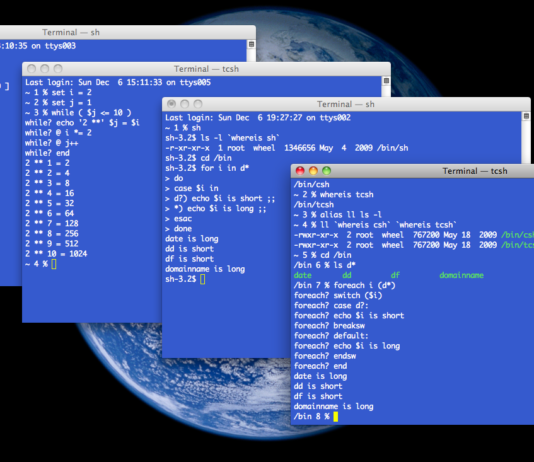


VI Save and Exit: Essential Commands in Unix’s Text Editor
What is VI?
VI, short for "Visual Interface," is a powerful text editor that...
Bash Functions in Shell Scripts
Functions are a powerful feature in bash scripting that allow you to encapsulate and reuse code. By...

How to List Installed Packages on Ubuntu Linux
How to List Installed Packages on Ubuntu Linux
If your preferred Linux distribution...

How to Install and Update AMD GPU Drivers
What are AMD GPU Drivers?
GPU drivers are critical software that allows your operating system to communicate effectively with AMD graphics hardware. Whether you're a...
SED Replace: How to Manipulate Text in Unix
So, what is SED Replace?
SED stands for Stream Editor. This is a powerful...

Bash Increment Variable: Increment and Decrement Variables
In the world of bash scripting, the ability to increment variables is a fundamental skill. Whether you're...

Bash Script Arguments: A Comprehensive Guide
When I first delved into bash scripting, arguments seemed like a mystery, holding the key to unlocking...
How to Add Guests in VirtualBox
What are VirtualBox Guest Additions?
VirtualBox Guest Additions is a software package that enhances the functionality of virtual machines running in Oracle VM VirtualBox. It...

Enable SSH Ubuntu: How to Securely Access your Remote Server
Learning how to enable SSH (Secure Shell) on Ubuntu is a crucial step...

Bash String Comparison: Comparing Strings in Shell Scripts
String comparison is a crucial operation in bash scripting, essential for tasks ranging from simple conditional checks...

The Linux Command Line: A Tale of Two Tools – apt...
apt vs apt get
Regardless of your preferred Linux distribution, package management is an important function for every...

ZHS Autosuggestion
Working in the terminal can be significantly more efficient with the right tools, and zsh-autosuggestions is one of the most powerful plugins available for...
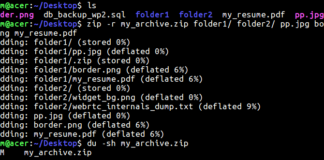
How to Compress Files Using the Linux Zip Command
The Linux zip command is an essential tool for file compression and archiving in Unix-based systems. Whether...
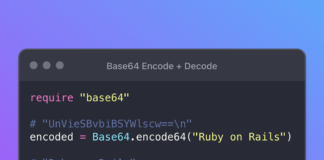
How to Decode Base64 Strings
What is Base64 Encoding?
Base64 is a binary-to-text encoding scheme that represents binary data in an ASCII string format. It's designed to carry data stored...
A Guide on How to Master Bash If Else… Statements
Introduction
As someone who creates apps and occasionally uses Linux, it's crucial to control...

How to Install Arch Linux
Arch Linux is a popular Linux distribution for experienced users. It's known for its rolling release model, which means you're always using the latest...
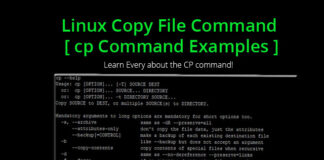
Using the CP Command to Copy A Directory on Linux
Copying directories is a vital task in Linux systems administration and everyday use. Whether you're backing up...

chmod 755: Understanding File Permissions
What is chmod 755?
The command `chmod 755` is a vital tool in Unix and Unix-like operating systems, used to set specific permissions on files...